
Dental Implants vs. Bridges: Which Is Better for Missing Teeth?
Losing a tooth can affect much more than your smile. Missing teeth can make it difficult to chew comfortably, alter your speech, and even change the shape of your face over time. More importantly, leaving a missing tooth untreated can lead to shifting teeth, bone loss in the jaw, and additional oral health concerns.
Fortunately, modern dentistry offers several effective solutions for replacing missing teeth, with dental implants and dental bridges being the two most common options. Both treatments restore the appearance and function of your smile, but they differ significantly in terms of longevity, maintenance, cost, and the treatment process. An experienced Sarasota dentist can evaluate your oral health and help determine which option best suits your needs, lifestyle, and budget.
Why Replacing Missing Teeth Matters
Many people delay replacing a missing tooth if it is not immediately visible. However, the consequences of tooth loss extend far beyond appearance.
Each tooth helps maintain the alignment of neighbouring teeth and supports your bite. When a tooth is lost, the surrounding teeth gradually begin to shift into the empty space. This movement can create bite problems, increase the risk of tooth decay, and make oral hygiene more challenging.
Additionally, the jawbone relies on stimulation from tooth roots to remain healthy. Once a tooth is lost, the underlying bone begins to deteriorate, which may eventually affect facial appearance and complicate future dental treatments.
Replacing missing teeth promptly helps preserve oral function, maintain facial structure, and improve overall confidence.
What Are Dental Implants?
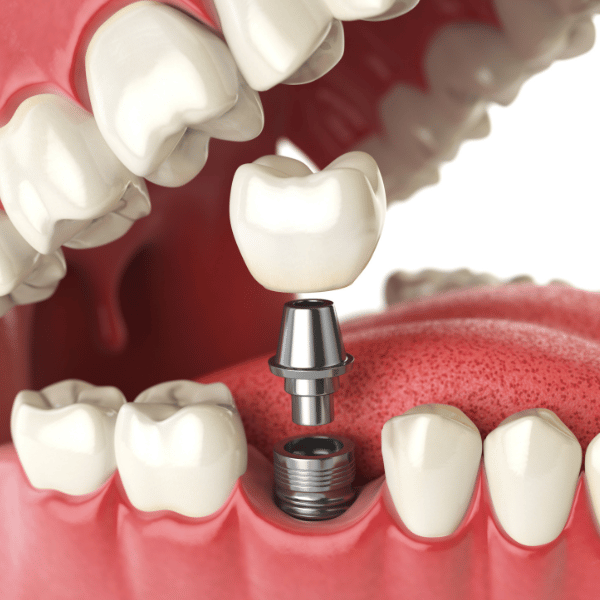
Dental implants are considered the closest replacement for natural teeth. They consist of a small titanium post that is surgically placed into the jawbone to act as an artificial tooth root. Once the implant has fused with the bone through a process called osseointegration, a custom-made dental crown is attached to complete the restoration.
Unlike removable dentures or traditional bridges, implants become a permanent part of your mouth and function much like natural teeth.
A skilled Sarasota dentist will carefully assess your jawbone density, gum health, and overall oral condition before recommending implant treatment.
Advantages of Dental Implants
Dental implants offer several long-term benefits that make them one of the most popular tooth replacement options available today.
One of their greatest advantages is durability. With proper oral hygiene and routine dental care, implants can often last decades and, in many cases, even a lifetime.
Because implants replace both the tooth and its root, they help preserve the jawbone by providing the stimulation needed to prevent bone loss. This helps maintain facial structure and reduces the sunken appearance that sometimes develops after tooth loss.
Another significant benefit is that implants do not require altering adjacent healthy teeth. Each implant stands independently, allowing the surrounding natural teeth to remain untouched.
Many patients also appreciate the stability implants provide. They do not shift while eating or speaking and allow patients to enjoy a wide variety of foods with confidence.
What Are Dental Bridges?
A dental bridge replaces one or more missing teeth by using the neighbouring teeth as anchors. The artificial tooth, known as a pontic, is attached to crowns that fit over the adjacent teeth on either side of the gap.
Bridges have been successfully used for many years and remain an excellent treatment option for patients who may not be suitable candidates for dental implants.
Treatment is generally completed more quickly than implant therapy, making bridges an attractive choice for patients seeking faster results.
Benefits of Dental Bridges
Dental bridges provide a reliable and effective method for restoring a complete smile. One of their biggest advantages is the shorter treatment timeline. Unlike implants, which require several months for healing, bridges can often be completed within a few weeks.
Bridges also involve less invasive treatment because they do not require surgical placement into the jawbone. For patients with medical conditions that limit surgical procedures or those with insufficient bone volume, bridges may offer a practical alternative.
In many cases, bridges also have a lower initial cost compared to dental implants, making them a more accessible option for some patients.
With proper care, dental bridges can provide many years of dependable function and attractive aesthetics.
Comparing Dental Implants and Bridges
Although both treatments restore missing teeth, several important differences should be considered.
Longevity
Dental implants generally last much longer than bridges. While a bridge may last 10 to 15 years with excellent care, implants often remain functional for decades.
Jawbone Preservation
Dental implants actively preserve jawbone health because they replace the missing tooth root. Bridges restore the visible portion of the tooth but do not prevent bone loss beneath the missing tooth.
Effect on Adjacent Teeth
Bridges require healthy neighbouring teeth to be reshaped so crowns can support the restoration. Dental implants leave adjacent teeth untouched, preserving more of your natural tooth structure.
Comfort and Stability
Because implants become integrated with the jawbone, they feel and function much like natural teeth. Bridges are also stable but rely on neighbouring teeth for support rather than the jawbone itself.
Treatment Time
Bridges typically require less time to complete. Implant treatment involves healing periods that may extend over several months before the final crown is placed.
Cost
Dental implants usually involve a higher upfront investment. However, their exceptional longevity may make them more cost-effective over the long term by reducing the need for replacement.
Your Sarasota dentist will explain these differences and help you choose the treatment that best matches your oral health goals.
Which Option Is Right for You?
There is no one-size-fits-all answer. The ideal treatment depends on several factors, including:
- The number of missing teeth
- Overall oral health
- Gum condition
- Jawbone density
- Medical history
- Budget
- Personal preferences
Patients with healthy gums and sufficient jawbone often make excellent candidates for implants. On the other hand, bridges may be the preferred solution for individuals who want a quicker restoration or are unable to undergo implant surgery.
A comprehensive examination by an experienced Sarasota dentist will provide the information needed to make an informed decision.
Maintaining Your New Smile
Whether you choose implants or bridges, good oral hygiene remains essential.
Brush twice daily using fluoride toothpaste, floss carefully around your restoration, and attend regular dental check-ups and professional cleanings. Maintaining healthy gums is especially important because periodontal disease can affect both natural teeth and implant success.
Avoid smoking whenever possible, as tobacco use significantly increases the risk of gum disease and implant failure.
With proper care, both implants and bridges can provide years of comfortable function and beautiful aesthetics.
Comprehensive Dental Care for Overall Oral Health
Today’s dental practices often provide far more than restorative treatments. Many patients seek comprehensive care that addresses cosmetic concerns, jaw discomfort, and oral function under one roof.
For individuals experiencing chronic jaw pain, teeth grinding, or muscle tension, Botox for TMJ relief has become an increasingly popular treatment option. By relaxing overactive jaw muscles, Botox for TMJ relief can reduce discomfort, improve jaw movement, and minimize headaches associated with temporomandibular joint disorders.
Many patients who visit a Sarasota dentist for dental implants or bridges also benefit from additional services such as preventive care, cosmetic dentistry, periodontal treatment, and Botox for TMJ relief, allowing multiple oral health concerns to be managed through a personalized treatment plan.
Choosing between dental implants and bridges is an important decision that should be based on your individual oral health needs, lifestyle, and long-term goals. While dental implants offer exceptional durability, jawbone preservation, and natural function, dental bridges remain an effective, reliable, and less invasive solution for many patients.
The best way to determine which treatment is right for you is to schedule a consultation with a trusted Sarasota dentist. After evaluating your oral health and discussing your priorities, your dentist can recommend the option that provides the best balance of function, aesthetics, and long-term value.
Whether you ultimately choose implants or bridges, replacing missing teeth promptly can improve your oral health, restore your confidence, and help you enjoy a healthy, functional smile for years to come. If you also experience jaw pain or teeth grinding, discussing Botox for TMJ relief during your consultation may further enhance your overall comfort and quality of life.
About Us
Siesta Village Dentistry is a leading Sarasota dentist practice dedicated to delivering advanced, patient-focused care in a comfortable setting. Specializing in Sarasota laser dentistry and innovative treatments like Sarasota LANAP, the team provides effective solutions for Sarasota Gum disease treatment with minimal discomfort. As a trusted Sarasota Cosmetic dentist, the practice also offers personalized smile enhancements using modern technology. With a strong commitment to quality care, Siesta Village Dentistry ensures every patient receives tailored Sarasota laser dental treatment designed for long-term oral health.